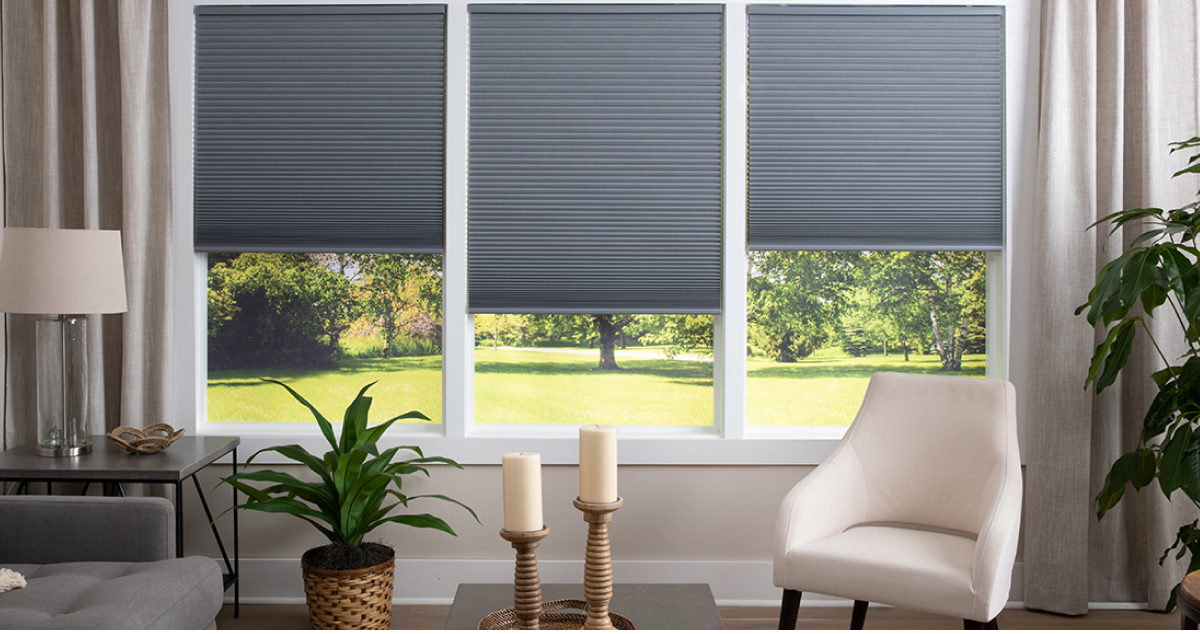
The Local Smart Guide to Perfect Blinds
Built To Your Backyard What's The Reason? Your Climate Determines Your Uninformed ChoiceAustralia is a country that can be described as having multiple climates. The hot, dry temperatures of Alice Springs' summer is distinct from the humid and saturated air of Cairns during the wet season. Both are also worlds apart from salty winds that buffet a Brighton beach house. The vast variation in regional climate isn't just a subject of weather reports; it is the most overlooked aspect to consider when selecting window furnishings. If you pick blinds solely on the picture in a catalog, without considering your surroundings, it could cause premature loss of color and warping. It could also cause corrosion. Blinds must be durable and capable of enduring the demands of your lifestyle. They should be designed specifically for your particular postcode.
Failure mechanisms can be different and extremely destructive. In humid tropical regions and subtropical zones in Queensland and Northern NSW the enemy is humidity within the surrounding environment. The continuous high humidity is a pervasive, slow force. It seeks out organic materials, causing untreated wood to expand and become warped. It encourages mildew and mold to thrive on natural substances like linens and cotton. These fabrics can then develop stains, and produce a musty odour. Not properly coating metal parts, such as the ones found in chains and cords can lead to a creeping corrosion. The idea here is to resist corrosion through synthetic, inert materials.
In these areas your blinds selection should be based on the latest composites and polymers. Venetian or PVC blinds (vinyl or faux wood) are ideal for areas with high humidity. They are made from non-porous materials that do not take in moisture. This means that they are able to withstand warping and Microbial growth. Aluminum Venetians that have a powder-coated finish are a good choice for a modern appearance that is free of rust. For more soft styles, turn at synthetic fabric rollers or Roman blinds made of solution dyed polyesters or acrylics. They are resistant to water by nature and are treated with anti-mildew substances. Avoid natural fibres that are not lined and real timber unless they are explicitly made for use in high humidity applications. Even after that, they need regular maintenance.
In the interior of Australia which is warmer and drier ultraviolet radiation and the extreme temperature fluctuations during the daytime are the primary threat. The sun here doesn't just provide light to a room, but it also chemically degrades materials. The fabric fades, and plastics be brittle with time and the continuous expansion and contraction that occurs from hot days to cool nights could strain fittings and mechanisms. UV stability has to be an important consideration in this setting.
It is important to select fabrics engineered for solar resilience. The use of outdoor-rated materials even indoors is a smart investment. They are made from solution-dyed polymers (often referred to as Sunbrella), which are able to embed the color in the polymer. They are, therefore, extremely fade-resistant. Blinds for rollers with UV-protective finishes are crucial not just for the furniture, but also to ensure their longevity. Aluminum slats can be used however, all blinds should have UV-stabilised plastic components. The subtle point here is color selection The darker shades are more prone to heat absorption and can become degraded more quickly in extreme sun, while lighter tones reflect heat and retain their appearance longer under brutal ultraviolet light.
Another area is the coastal region, which is a narrow band of heavily populated land, where the dust and salt sprays saturate the air. This is an environment that is corrosive to metals in an extremely efficient way. A standard roller blind made of metal or aluminum slat with an inferior coating is likely to show signs of pitting and chalky, oxidized finishes. Sand that is carried by the wind can be a gentle abrasive that microscopically scrubs surfaces.
For homes that are located in the coastal zone The specification should be adamant. Components made of marine-grade aluminium or stainless steel are unaffordable for any metal part, from the headrail to the tilt wand. If you find a product with the "coastal" or "salt-air-friendly" rating this means that the fittings have been anodized or plated (such as marine-grade powder coating) to withstand salt spray testing. PVC and acrylic fabrics are inert to salty air as are composite "faux-wood" or composite "faux-wood". To prevent rust on your walls, it is crucial to install anchors and screws made of stainless steel and to avoid ferrous metals.
There are other microclimates you ought to consider. Melbourne's south-facing balcony is exposed to cool and damp conditions. A window facing west in Adelaide is subject to a fierce afternoon sun blast. Here is when the value of an expert local supplier is essential. They have experienced in real homes and have seen over time what works well in your area. They will tell you what type of powder coats is ideal for Bribie Island or what blend is more resistant to fading in Perth.
Ask them questions specific to their needs depending on their area: "I live three streets from the beach in Sorrento Do I have to buy the marine-grade product?" Or "For my west-facing sunroom in Penrith what is the highest quality TSER (Total Solar Energy REjected) fabric that assures color stability?" The answers should be based on the local environment rather than an unspecific sheet.
The goal of evaluating blinds in terms of climate suitability, is to ensure long-term value. It will also provide you peace of mind. This is the main difference between blinds that function as a decoration for your home and ones that last, integral components of it. It is aware that Australia has an extreme climate and that the field of materials science has been able to adapt. You're not only buying an eye-catching window treatment when you choose the blind for your backyard. You are investing in a product which will look great, perform well and perform its task every season, without losing the elements it was designed to filter. It's the most practical approach to the design of your home. View the top blinds for site examples including blinds in store, custom shaped blinds, blinds off, high blinds, time blinds, australian wholesale blinds, made by blinds, custom blinds australia, 15 blinds, blinds direct discount and more.

The Fine Print The Fine Print: Understanding The Terms Of Blind Warranties Before You Buy
A warranty is often overlooked in the last stages, when choosing blinds for your house. Samples of fabric are evaluated and quotes compared. It's usually offered as a final assurance and a symbol of quality. However it is true that a warranty contract doesn't guarantee satisfaction. Instead, it outlines clearly the limitations of a provider's liability. Knowing the specifics of blinds -- a piece of furniture which combines electronics, textiles and mechanics, and is subject to the harsh Australian sun and salt every day -- could be the difference between securing your investment and learning a costly lesson. The value of a product warranty lies not in the length of time it lasts and the scope of coverage it provides.
The first and most common mistake is focusing on the duration--"a 5-year warranty" sounds impressive--without dissecting the scope of coverage. A valid warranty will classify the coverage of each element, as each is prone to various failure modes. Material or fabric warranties should include manufacturing defects, like faulty weaving, delamination and foremost, premature fading. This is an important issue for Australia. Beware of vague language. The warranty will be invalid if it is used outdoors or in unventilated, persistently humid or damp locations.
The mechanical components warranty covers the operating components. This includes the roller blinds' mechanism for rolling, the Venetians tilt and lift systems, as well as the cords, ladders and ladders. It is required to cover any breakage caused by material fatigue or manufacturing defect in normal usage. Importantly, when the maintenance or cleaning guidelines are followed, this warranty will be valid. You can also get the warranty for electronics or motors on automated systems. This is the most limited warranty (usually 2 to 3 years, despite the fact that the fabric can last for 5 years) and also reflects more complex technology. The warranty should include the receiver, motor and any wiring. It should also define what constitutes normal use.
The most significant, but often overlooked section of the warranty document is the list of conditions and exclusions. The obligations you have to fulfill are listed here. These are the most common exclusions to void the warranty:
Installation by any other person than the installer who is authorized by the manufacturer. This is among the most crucial. Even if you complete the installation well, a DIY installation can invalidate your warranty because the manufacturer is unable to ensure the conditions that the component will operate or the amount of stress the device will endure.
Improper usage or maintenance. Utilizing abrasive cleaners, causing the blind to jam, or failing to address an unintentional tangle in the cords may be considered as misuse.
It is possible to use subjective terms such as 'fair wear and tear' or a 'gradual decrease in performance', to disprove claims, if the mechanism simply worn out due to frequent use.
Fading or damage caused by extreme conditions. If you put up a non-coastal-rated blind right in front of the ocean the rapid corrosion of your blind will likely not be covered.
The warranty is therefore not a standalone document. The warranty is inextricably linked to the quality of initial installation and the after-sales service that the vendor provides. A warranty from a reputable local company that has been in operation for a long time is inherently superior to one from a transient online retailer. The local provider has physical presence that employs their own installation team (whose work is covered) and maintains an established relationship with the manufacturer to expedite claims. They are incentivised to honour the warranty to protect their community's reputation. A distant entity may require you to navigate a maze of call centers, uploading images and long wait times before the technician arrives.
When speaking with suppliers, you must go beyond "Do you have an warranty?" to a precise question. Ask: "Can the supplier provide me with warranty documentation for the item I've selected before signing an agreement?" "Does your fade warranty cover the color I've selected, and what are the thresholds for a legitimate claim?" "What is the procedure if the motor fails within the second year?" Inquire: "Do you replace the unit in your home or do I need to send it to a repair centre interstate?"
Australian Consumer Law (ACL) The ACL guarantee, which is provided under the Australian Consumer Law, will be able to support your purchase irrespective of the manufacturer's warranty. ACL stipulates that the product must be of acceptable standard, suitable to their intended use and conform to their specifications. The ACL can ensure that you are protected beyond the expiration of a warranty if your product fails in a way that is unreasonable for the price. However, invoking the ACL can be more difficult than a simple warranty claim handled by a cooperating supplier.
The strength of a warranty is an indication that the manufacturer believes in his product and evaluated it against Australian conditions. It is a formal safeguard against flaws inherent to the product. It's a form of insurance, but it doesn't cover every scenario. When you work with a service provider you are able to unleash its full potential. They will ensure correct installation, and act as your advocate. Not only do you want an authentic warranty, but also an option that you can to follow in the possibility of an issue. In the Australian market, where the products are tested by some of the most intense sunlight on earth, this clarity is not a luxury--it is an essential element of buying. It turns a marketing pledge into a tangible, actionable promise of peace of mind making sure that the picture you love remains framed by a product that lasts.