20 Excellent Reasons for Choosing Fabric by the Metre in Lichfield, Walsall and Birmingham
From Dress To Drapery: Unlikely Fabric Stores In Lichfield You Must DiscoverThe reputation of Lichfield as a fabric retailer is often obscured by the vast markets of Birmingham and the petty offerings in Walsall. However, there is a fascinating fact: Lichfield hosts a collection of specialised, often unexpected fabric stores which operate on the principle of curated discovery, rather than bulk supply. It's not huge warehouses but rather caves like Aladdin's. The distinction between drapery and dress fabric is deliberately blurred. There are unique opportunities for the highly-skilled designer, home sewer or even the interior lover. This guide goes far beyond the obvious and focuses on the top ten reasons why Lichfield's fabric scene is worth a visit.
The Top 10 Things You Should Know Detailed:
1. The "End-of-Bolt" Alchemy: Where Designer Dress Fabrics become Statement Curtains.
The boutiques in Lichfield's smaller stores are typically the first to acquire limited-runs of designer dress fabrics like silks, fine yarns, and stunning Jacquards. The fabric is not available to designers when only 3 to 5 metres are left on a spindle. But, it can be made into a beautiful window treatment. You can find the heavyweight silk dupion typically for bridal wear, with the body and sheen to make phenomenal, luminous curtains for a bay window. The shops are actively promoting the remnants of the fabric, which is a gallery-like material, ideal for soft furniture.
2. The Haberdashery is a Curtain Atelier and Trimmings that Transform normal.
Lichfield is famous for its amazing haberdasheries. They offer dress fabric in meters, but their real strength is trimmings. This is how a basic inexpensive linen curtain fabric bought from an Birmingham market--can be elevated to custom made curtains status. The store has a large range of accessories, including intricate braids that are reminiscent of antique styles fringes, tassels with intricate tassels and curtain tapes that are suitable for making handmade headings. They have a dressmaker's eye for detail, advising on how a piping cord, or the contrast of a silk band (a technique derived from couture) can create a unique frame to simple drapery.
3. The Vintage & Linen Specialist fabrics that tell some sort of story.
Lichfield is a tucked away treasure with experts in old textiles and deadstock. They also deal with European household linens. Fabrics with history and character can be found here. A heavyweight, patinated French sheet that was designed for mattress use can be made into curtains, giving them a relaxed Provencal style. These shops are aware of the importance of the fabric's history. They are able to provide advice on gentle restoration, sympathetic laundering, and ways to eliminate flaws from the past--a service that combines conservation of textiles with innovative interior design.
4. The dressmaker's eyes are on Drape.
Shop assistants at Lichfield's boutiques often are dressmakers or have formal textile education. Their understanding of how fabrics move--its "drape" as well as its "hand"--is thus superior to that of a typical furnishing salesperson. If you mention that you would like curtains that have a soft, fluid collapse rather than a stiff, formal fold, they will help you choose the right wools, heavy rayons or double-knits that are typically found in the dress fabric and explain the way in which the bias (diagonal grain) of the fabric could be used to create a unique fall effect, which is a technique taken from haute couture.
5. The "Sample Library" Model Low-Pressure Exploration High-End Options.
Instead of the overwhelmingly stifling bolt-after-bolt experience of a large warehouse, several Lichfield shops run on a curated sample library system. You can browse through neatly organized books containing vast samples. Most of these are dresses, but they also include upholstery weights. The mill will mail you an metre-long piece of the fabric that you've chosen. This technique allows you to view a wider selection and better quality fabrics that a shop can offer.
6. The Bridge Between Birmingham Bulk's and Walsall’s Real-world application.
Lichfield is located in the middle area. Birmingham's sprawl is overwhelming and the options in Lichfield are more focused. This is the ideal spot to "second-stop", when you are on a hunt for fabric. You might source your main upholstery fabric from a Birmingham trade counter, your liner and cottons from an Walsall price shop however, you must go to Lichfield to find the perfect, defining trim, the unique lining fabric (like an old-fashioned floral to make a curtain reverse) and the most exquisite thread to make up. The project is completed with distinct features.
7. Bespoke Service for Windows that are "Unmakeable".
Because these shops are small and service-oriented, they excel at solving specific issues. They are the ideal port of call for windows that don't conform to standard solutions: windows with arches that require an exquisitely shaped pelmet an attic-sized casement that requires an extremely small, fully lined curtain, or the desire to utilize a delicate precious, expensive fabric (like an heirloom-quality embroidered dress fabric) within a protective drapery system. The designers they recommend are accustomed to working on this exquisite, almost sartorial scale and treat each window as an individual piece of clothing.
8. The Focus on Natural Fibres and weaves that are made by artisans.
While Lichfield's independent stores promote natural fibres, chain stores are heavily filled with polyester. This is crucial for the environment quality. This includes Belgian linens (which are ideal for bedrooms because they breathe well and are hydrophilic), English wools, raw silks and Belgian cottons. These fabrics develop a soft patina and soften with age. Curtains are an evolving, living fabric that interacts with air and light in a different way each day, unlike the static quality of synthetic curtain fabrics.
9. The Wisdom of Fabric "Afterlife": Cleaning, Care, and Ageing.
The requirement to maintain is a requirement in the sale of fine fabrics per metre. The staff will be able to explain why natural colors may be faded in sunlight, but actually is the result of a patina. They can also show the proper way to steam iron pure cotton curtains or the best way to dry clean specific wools. This approach for the long term makes a purchase into a commitment to stewardship. They have established connections with dry cleaners restoration services, as well as other experts to offer a network of support for the fabric throughout its lifetime.
10. The Creative Catalyst. How These Shops Redefine the concept of Possibility.
Lichfield has many fabric stores that aren't the typical shops you'd expect. This encourages you look beyond the usual curtain fabric sections. It shows that a thick fabric made from tweed can be used to upholster chairs. It suggests that the edges of a silk sari could be used to create the valance of a blind. It brings the art of dressmaking with the fineness and the finishing, the love of texture and grainit is also a part of interior design. You go home not only with a cloth, but an understanding of the fabric that can be utilized in your home. This is fueled by a cross-disciplinary approach to design and carefully curated content. See the top rated fabric shops in Lichfield for more info including curtains and tracks, curtain and blinds, curtain tracks, measure curtains, curtains with blinds, curtain fabric uk, window blinds with fabric, curtains blinds, hole in the wall curtains ltd, curtain poles uk and more.
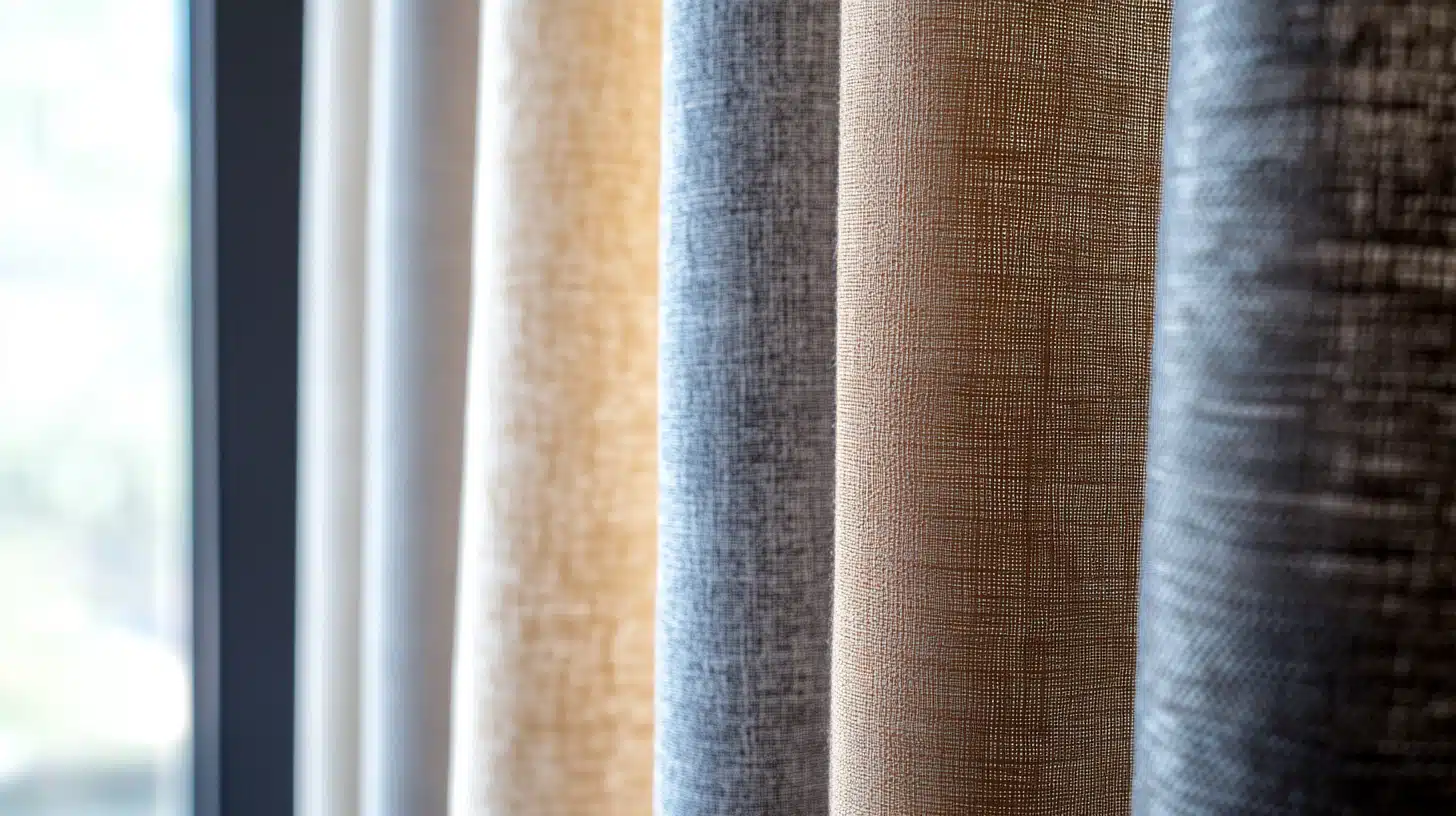
Creative Reimagining: Dress Fabrics Can Give Your Custom-Designed Curtains A Unique Twist
The world of curtain fabrics although vast, is able to operate within a defined set of expectations including durability, weight and the management of light. The use of dress fabric to make custom-made curtains is not just an exchange. It's an expression of imagination. The crossover makes use of the intricate patterns, colours palettes, and flowing drapes of textiles for clothing in order to give windows a personality which isn't possible with standard furniture. This is not an easy, risk-free exchange. It takes a nuanced grasp of the science behind materials and a creative design. This guide will provide ten key insights that will assist you in transforming a dress fabric into drapery. It can be used to transform a error, like the silks in the Lichfield store, into an elegant interior design.
The Top 10 Things You Need to Be Educated About:
1. The Structural Enhancement Imperative Dress Fabric is a Component, Not A Single.
Dress fabrics are not usually enough to make curtains that are functional. Its primary function is to function as the "face" of the curtain. It is essential to tie it with a subtle structure. This requires the backing with a strong, neutral calico (a technique called 'underlining' in dressmaking) to provide the body and opacity, applying a standard lining and interlining. The sandwich of three layers stabilizes the lighter, more flexible dress fabric. It also prevents stress on seams and allows for the fabric to hang as an upholstery material. A curtain maker familiar with this technique is essential; many in Walsall or Birmingham's workrooms might hesitate, but a Lichfield-recommended artisan, versed in delicate cloth, will understand.
2. Sunlight and Sanctuary Test. Make sure to select windows that face north or have low-light.
The most successful use of this is in rooms that are protected from direct and prolonged sunlight. The ideal application is a nook with a north-facing view to read and a bedroom with shaded windows, and bathrooms in the interior. Silk taffeta or viscose that has a print on it and placed in a south-facing bay will surely lead to an immediate slow, painful fade. The consideration of geography should be used to determine the best location for your project before you ever step foot into the fabric shop. You can narrow your search to "any beautiful fabric" to only "a beautiful fabric to be used in the sheltered area."
3. The Lichfield Loophole: Exploiting End-of-Bolt Designer Remnants.
Lichfield is the best place to shop for fabric. Most designer gown fabrics are sold by the metre in quantities of 3 to 5 metres. They may not be enough for an entire gown but would work well for a window treatment or cafe curtains. These remnants from European or Liberty mills offer exclusive patterns at an affordable price. It forces you to be creative in your application such as a dresser desk skirt or canopy rather than curtains that are full length.
4. The Width Mismatch Calc: Embracing the Seam as a Design Features.
Dress fabric typically measures approximately 115cm, or 145cm wide. It is smaller than the standard curtain material (137cm or 150cm). If you're looking to create the fullness you desire, then you'll require greater vertical stitching. You could make them the focal point instead of covering them. Make use of contrasting pipe (sourced from Lichfield's exquisite boutiques) placed into each seam, or run a vertical band of a complementary upholstery fabric down every seam. This transforms an everyday necessity into an elegant, styled look inspired by couture, and echoes the sharp edges of a well-tailored suit.
5. The "Upholstery Fabric" Partnership: The creation of a coherent hybrid.
Pure fabric curtains for dress look enchanting; pairing them with upholstery fabric grounds the scheme. You can use the fabric as an element of interest - such as a drawn border around the hemline, a contrasted edge or even the layering "vallance" (vallance) that is layered over curtains of solid heavyweight wool, cotton or any other fabrics. You can also use less expensive dresses (a length of fabric from Birmingham's Rag Market), while still achieving the similar light blocking and thermal mass as a good furniture fabric. It creates dialogue between the delicate and the robust.
6. The formal to fluid spectrum Achieving the right fabric type for Curtain Style.
Not all drapery styles are suitable for all fabrics. Check the intended use of the dress with the curtain's function. A structured dupion or brocade silk, which is designed for formal wear is perfect for elegant, flat-pleated curtains that have sharp lines. A flowing crepe de chine, or jersey, that is meant for dresses, is ideal for curtains with loosely collected "puddles" and a relaxed, natural drape. In Birmingham, a vendor may only see fabrics by the metre. In Lichfield, you can talk about the "drape coefficient" and how that affects the design and header of the curtain.
7. The Care Cycle Conspiracy: Planning for the delicate maintenance.
Custom-made curtains made of dress fabrics aren't a simple "set and forget" product. Cleaning and caring for them is a part of the equation. They may need professional steaming rather than cleaning, a gentle vacuuming using an attachment for brushes, or the seasonal rotation to balance out the light exposure. The decision must be made consciously. Be sure to inquire about the cleanliness of the product when you purchase. The Walsall store might offer advice on practicality while an Lichfield shop will discuss the patina natural silks and linens acquire over time as an attribute.
8. Birmingham Market Foray in Birmingham. Looking for Theatrical or Heavier Dress Cloth.
Birmingham isn't just famous for its size. Birmingham also has stalls which specialize in costumes, the stage, and historical reenactment. There, you can have heavier-weight "dress" fabrics such as velvets designed for cloaks heavy wool twills suitable for coats, or densely embroidered nets. They are durable, have the body and heft needed to create curtains. This specialized sourcing transforms the Birmingham excursion into a hunt for the most robust and unusually durable in the dress category.
9. The Header and Hardware Harmony The right top treatment: choosing the best.
The head of the curtain should match the fabric. A delicate chiffon will be destroyed by a massive, stiff pinch pleat. Select a simple gathered hat with a small pole or opt for a hidden top tab to create an ethereal effect. Triple pleats on a wood rod is the most effective method to enhance the formality of a heavier dress Jacquard. This decision is best made in consultation with the maker prior to finalizing the fabric selection, as it can affect cut length as well as stress points. A Walsall workroom might default to standard tape; you must help them to achieve an aesthetically pleasing finish.
10. The Narrative Integration: Let your story's stories determine the mood in the room.
In the final analysis it's all about the narrative. A curtain made of a bright African wax print fabric (found in some Birmingham markets) conveys a story of global colour and energy. Linen curtains made of a remnant of Lichfield linen, was originally intended for a summer suit. They have a light, airy, and pastoral appearance. This approach moves beyond mere ornamentation. Window treatments must be meaningful. They transform a screen from a normal screen to an image.
